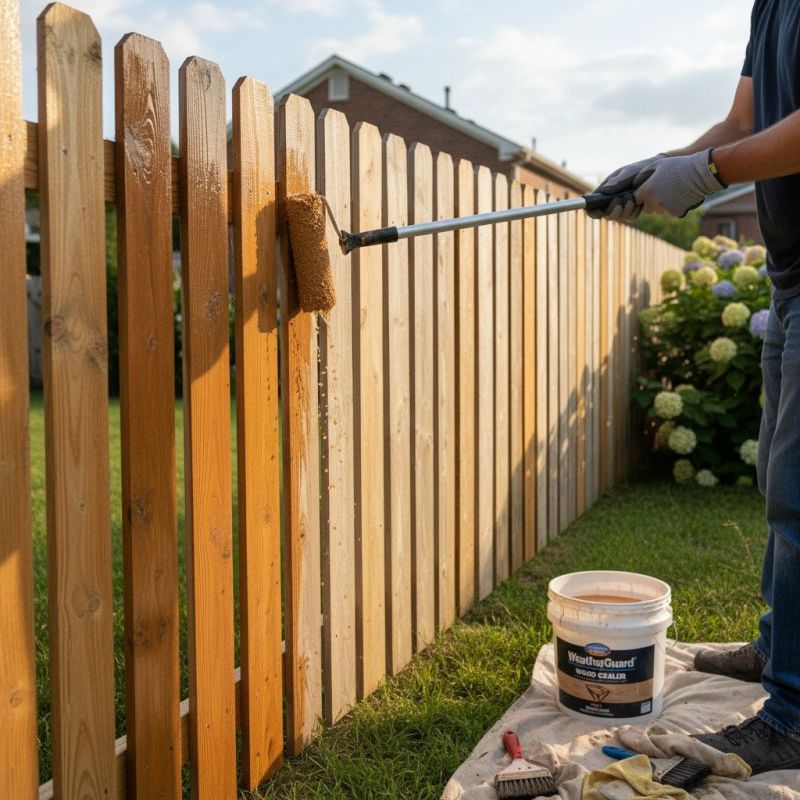
Cedar Fence Sealing in Tacoma, WA
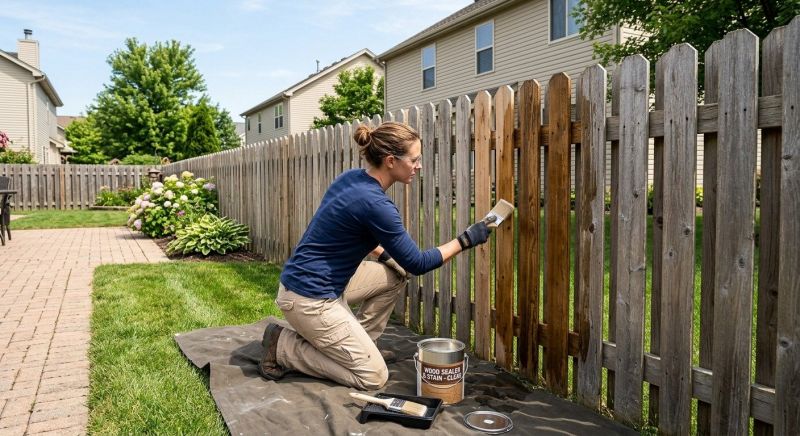
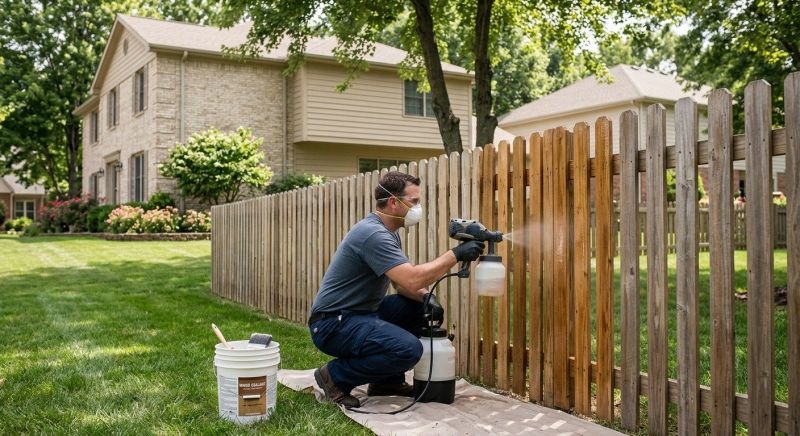
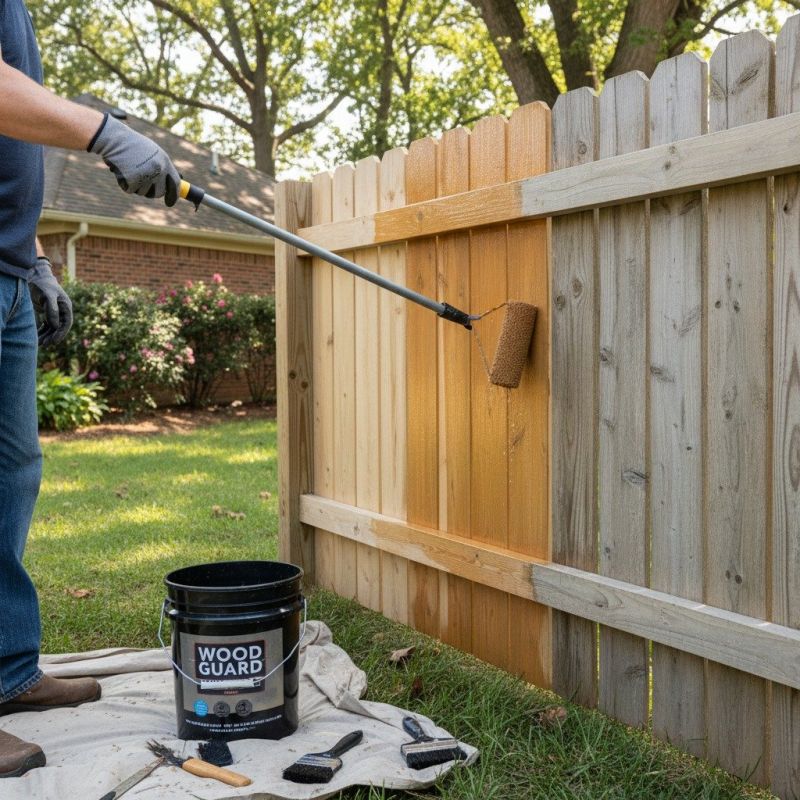
Cedar fence sealing services involve applying protective treatments to cedar fences to enhance their durability and appearance. This process helps prevent damage from moisture, UV rays, and pests, extending the lifespan of the fence. Projects can range from sealing new cedar fences during installation to restoring older fences that have become weathered or faded. Homeowners often seek this service to maintain the natural beauty of cedar, reduce the need for repairs, and keep their fences looking fresh and well-maintained.
Before requesting cedar fence sealing, property owners typically want to understand the condition of their fence, including its age and existing weathering. It’s also helpful to consider the type of sealant used, whether it’s transparent or tinted, and how it will impact the fence’s appearance over time. Proper preparation, such as cleaning the fence beforehand, is essential for optimal results. Clarifying these details can ensure the sealing process meets expectations and provides long-lasting protection for the fence.
Many property owners in Tacoma, WA look into Cedar Fence Sealing for repairs, replacements, upgrades, and appearance-related improvements.
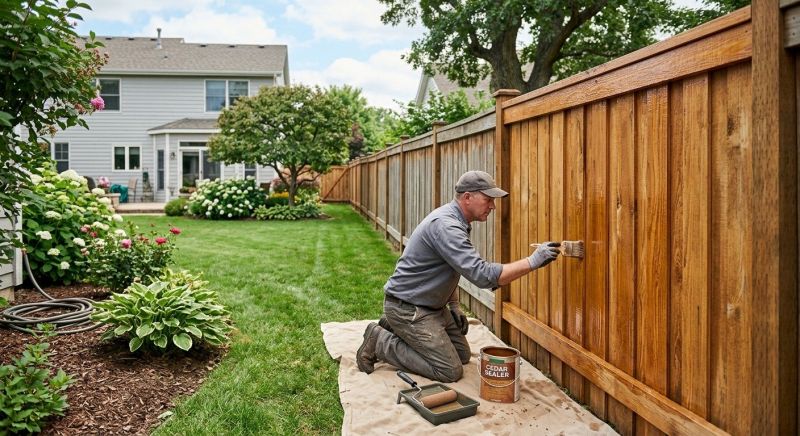
Protecting Cedar Fences
Sealing helps prevent damage from moisture, mold, and pests to maintain fence integrity.
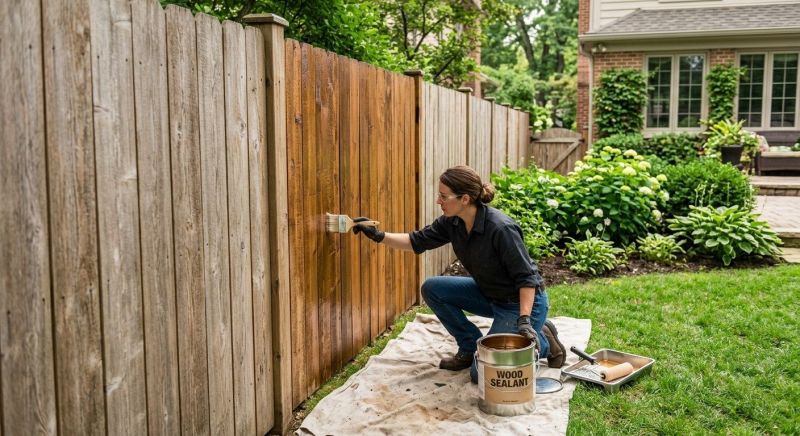
Enhancing Fence Durability
Proper sealing extends the lifespan of cedar fences in tacoma's climate conditions.
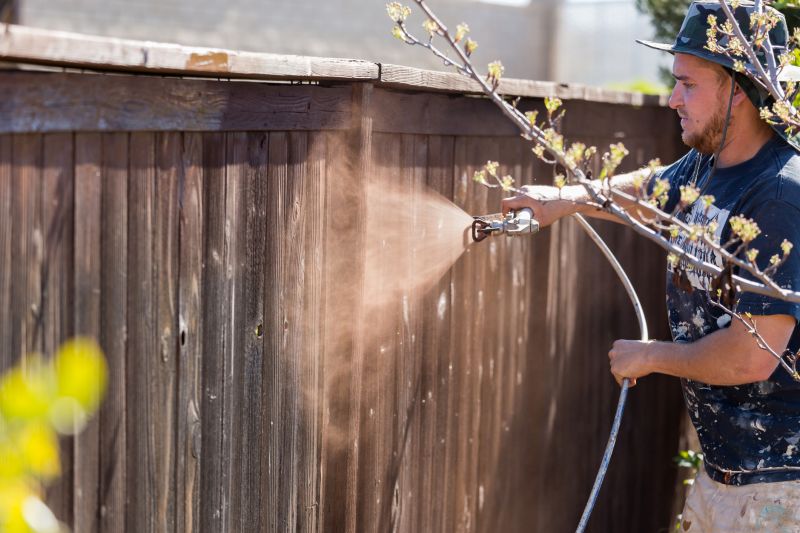
Improving Fence Appearance
Sealing enhances the natural beauty of cedar wood while providing a smooth, finished look.
Cedar Fence Sealing in Tacoma, WA

Cedar fence sealing services involve applying protective treatments to cedar fences to enhance their durability and appearance. This process helps prevent damage from moisture, UV rays, and pests, extending the lifespan of the fence. Projects can range from sealing new cedar fences during installation to restoring older fences that have become weathered or faded. Homeowners often seek this service to maintain the natural beauty of cedar, reduce the need for repairs, and keep their fences looking fresh and well-maintained.
Before requesting cedar fence sealing, property owners typically want to understand the condition of their fence, including its age and existing weathering. It’s also helpful to consider the type of sealant used, whether it’s transparent or tinted, and how it will impact the fence’s appearance over time. Proper preparation, such as cleaning the fence beforehand, is essential for optimal results. Clarifying these details can ensure the sealing process meets expectations and provides long-lasting protection for the fence.
Many property owners in Tacoma, WA look into Cedar Fence Sealing for repairs, replacements, upgrades, and appearance-related improvements.
Common Cedar Fence Sealing Jobs
Fence sealing - protects cedar fences from moisture and weather damage.
Weatherproofing - helps maintain the appearance and longevity of cedar fencing.
Protection against rot - reduces the risk of decay caused by exposure to rain and humidity.
Enhancing durability - extends the lifespan of cedar fences with proper sealing techniques.
Preventing staining - guards against dirt, mold, and mildew buildup on cedar surfaces.
Maintenance sealing - provides a cost-effective way to preserve the natural look of cedar fencing.
Cedar Fence Sealing Questions
What is cedar fence sealing? Cedar fence sealing involves applying a protective coating to preserve the wood’s appearance and prevent damage from moisture and UV rays.
Why should a cedar fence be sealed? Sealing helps extend the lifespan of a cedar fence by reducing weathering, preventing rot, and maintaining its natural color.
When is the best time to seal a cedar fence? The ideal time to seal a cedar fence is after it has been cleaned and dried, typically during dry, mild weather conditions.
How often should cedar fences be sealed? Cedar fences generally benefit from sealing every 2 to 3 years to maintain protection and appearance.
Request Cedar Fence Sealing in Tacoma, WA
Use the quote form on this page to share the basics of your project and request more information for the type of work you need.